
 AR
 BG
 CS
 DA
 NL
 FI
 FR
 DE
 EL
 HI
 IT
 JA
 KO
 NO
 PL
 PT
 RO
 RU
 ES
 SV
 TL
 ID
 LT
 SR
 SL
 UK
 ET
 HU
 TH
 TR
 FA
 MS
 GA
 BN
 BS
 LO
 LA
 NE
 MY


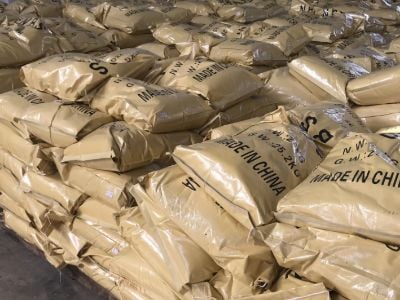
In the world of chemistry, iodination reactions are important because they help create compounds that are used in many products, from medicines to dyes. One exciting way to do iodination is by using a special chemical called N-iodosuccinimide, or NIS for short. Suru offers NIS as a reliable option for those who need it in their reactions. NIS is a safe and effective choice, making it popular among chemists. This article will focus on why NIS is so helpful in electrophilic iodination reactions and how it makes the process better for companies looking to buy in bulk.
The Benefits of NIS in Electrophilic Iodination Reactions for Wholesale Buyers
For wholesale buyers, using NIS can be a game-changer. First, it is very easy to handle. Unlike some other chemicals, NIS is stable and does not need complicated storage conditions. This makes it safer to transport and store, which is important for businesses that need to keep their operations running smoothly. When wholesale buyers choose NIS mechanism, they can trust that it will be ready to use without special precautions. Another benefit is that NIS is often more affordable than other iodination agents. This means that companies can save money while still getting a high-quality product. With Suru’s reliable supply, buyers don’t have to worry about running out of stock. They can order what they need and get it on time. Plus, NIS can work in a variety of reactions, which means that buyers can use it in different projects without needing to switch chemicals. This versatility is a big plus for companies that want to streamline their processes. Additionally, using NIS can lead to fewer byproducts, which means cleaner reactions. This is not just better for the environment; it can also save companies time and money in waste disposal. Overall, NIS offers many advantages for wholesale buyers looking for efficiency and cost-effectiveness in their iodination reactions.
How NIS Enhances Efficiency in Electrophilic Iodination Processes
NIS plays a big role in making iodination reactions more efficient. One of the main reasons for this is its ability to provide a steady source of iodine. In many reactions, having a consistent amount of iodine is crucial. NIS gives a controlled release of iodine, which helps scientists get the results they want without surprises. This is particularly important in a lab where precision matters. Moreover, when researchers use NIS, they often notice that the reactions happen faster. For example, when compared to other iodination methods, NIS can lead to quicker reaction times. This means that chemists can finish their work sooner, allowing them to focus on new projects or products. Another interesting aspect is that NIS can be used in mild conditions. Many iodination reactions require harsh conditions that can be dangerous. With NIS, these reactions can often occur at lower temperatures, making them safer. This is a huge benefit because it reduces the risks involved in conducting the reactions. Furthermore, the ease of use of NIS means that even those who are new to chemistry can handle it without much trouble. This opens up more opportunities for innovation and experimentation. Overall, NIS is a powerful tool that enhances the efficiency of electrophilic iodination processes, making it a top choice for many in the industry.
In summary, NIS is a fantastic option for electrophilic iodination reactions. It offers numerous benefits for wholesale buyers and enhances the efficiency of the iodination processes. With Suru’s high-quality NIS, companies can trust that they are using a reliable and effective product for their chemical needs.
Why NIS Is the Preferred Reagent for Electrophilic Iodination
Electrophilic iodination is a chemical reaction where iodine is added to a molecule. This process can be tricky, but using NIS solubility, or N-iodosuccinimide, makes it easier and better. Suru is proud to offer high-quality NIS for these reactions. One of the main reasons NIS is a preferred choice for electrophilic iodination is its ability to provide iodine in a safe and effective way. NIS is stable, which means it doesn’t break down easily. This stability allows scientists to handle it with less risk compared to other iodine sources. When NIS is used, it reacts smoothly with the molecules in the reaction, which helps create the right product without unwanted side effects. Many researchers prefer NIS because it doesn’t create a lot of by-products. By-products are extra materials that can mess up the reaction and make it harder to get the desired results. Since NIS helps keep the reaction clean, it saves time and effort in cleaning up afterward. This means the scientists can focus more on their work instead of cleaning up messes. Additionally, NIS can work under mild conditions, which means it doesn’t need extreme heat or pressure to work well. This is great because it makes the process safer and easier to control. Therefore, using NIS for electrophilic iodination is a smart choice for scientists looking for efficiency and safety in their work.
Best Practices for Optimizing Electrophilic Iodination with NIS
To get the best results when using NIS in electrophilic iodination, it is important to follow some helpful tips. First, the right concentration of NIS is crucial. If there is too little NIS, the reaction might not work well, and if there is too much, it could create unwanted side effects. Finding the correct balance helps ensure that the iodine is added to the right place in the molecule. Another important factor is the reaction time. If the reaction takes too long, it can lead to unwanted changes in the product. Scientists should keep a close eye on the clock and check the reaction regularly to see if it is working as expected. It is also helpful to keep the reaction temperature stable. If the temperature is too high, it might speed up the reaction too much, which can lead to mistakes. On the other hand, if it is too low, the reaction might not happen at all. Therefore, maintaining a steady temperature helps ensure that everything goes smoothly. Finally, it is essential to use good lab practices. This means using clean equipment and following safety rules. By doing this, scientists can avoid contamination, which can ruin the product. Suru’s NIS helps researchers achieve high-quality results when they pay attention to these details.
How NIS Improves Product Yield and Purity in Electrophilic Iodination
One of the biggest benefits of using NIS in electrophilic iodination is that it improves product yields and purity. A higher yield means that more of the desired product is created from the reaction. This is important because it saves time and resources. Scientists want to get the most out of their materials, and NIS helps them do that. When N-iodosuccinimide mechanism is used, it often leads to a cleaner reaction. This means there are fewer side products, which can confuse the results. Fewer side products also make it easier to separate the desired product from any unwanted materials. Pure products are vital in science because they ensure that the results are accurate and reliable. When researchers use NIS, they can trust that their final products are of high quality. Suru’s NIS is known for providing consistent results, which helps scientists repeat their experiments with confidence. This reliability is essential in research, where every detail matters. By improving both yield and purity, NIS allows scientists to conduct their work effectively and confidently. using NIS for electrophilic iodination reactions can make a significant difference, and Suru is dedicated to providing the best materials for these important scientific processes.
Table of Contents
- The Benefits of NIS in Electrophilic Iodination Reactions for Wholesale Buyers
- How NIS Enhances Efficiency in Electrophilic Iodination Processes
- Why NIS Is the Preferred Reagent for Electrophilic Iodination
- Best Practices for Optimizing Electrophilic Iodination with NIS
- How NIS Improves Product Yield and Purity in Electrophilic Iodination